
Green Turtles - why we appreciate them, fun facts & more
- brandon

- Mar 20, 2021
- 3 min read
Updated: Mar 25, 2021
if you're wondering why our website has a turtle theme, we'll explain that here. and we couldn't write about green turtles without sharing some facts and a little bleem history!

why did we choose the green sea turtle logo?
sometime in 2015, we were all at brandon and eljah's basement. we were attempting to make music with drum sticks (the wooden kind) and green amazon fresh boxes. next to us, a plush sea turtle rested on the floor. later that day, we decided to perform our makeshift music to our parents. it was a success. we even recieved a few dollars at the intermission! afterwards, we decided that this performance wouldn't be our last. we realized that we could accomplish more together than apart, so we created the BLEEM organization. the lucky plush turtle on the ground became our mascot. of course, our interest in BLEEM and green sea turtles has grown since then.

the
bleem
mascot
facts
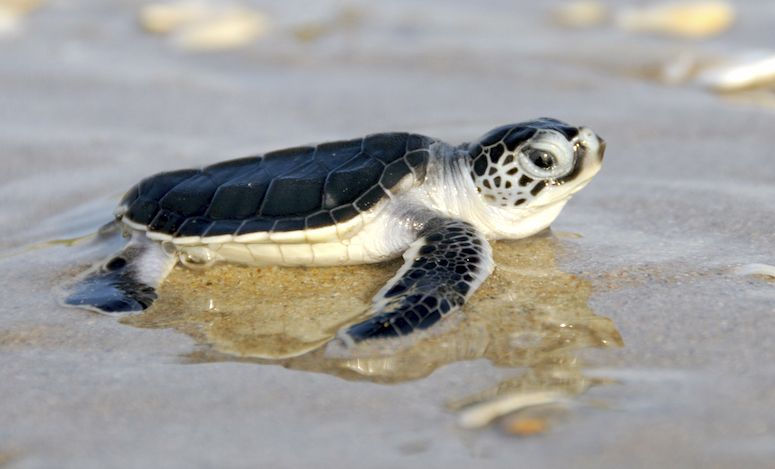
The green turtle is one of the largest sea turtles and the only herbivore among the different species. contrary to common belief, Green turtles are named for the greenish color of their cartilage and fat, not their shells. In the Eastern Pacific, a group of green turtles that have darker shells are called black turtles by the local community. Green turtles are found mainly in tropical and subtropical waters. they can grow to 5 feet in length and 700 pounds in weight. green turtles, like most turtles make lengthy migrations from feeding sites to breeding grounds. Green turtles mate every 2-4 years in the shallow waters near shore. hundreds of eggs are deposited in sand pits and then buried. the most dangerous time of a green turtle's life is while it makes its journey to sea. multiple predators, including seagulls, crabs, and large fish ravenously prey on the young hatchlings during this brief scamper. classified as endangered, the green turtle population is dwindling due to plastic pollution, poaching, and loss of nesting sites.
why they are important
sea turtles are crucial contributors to the ocean ecosystem. they graze on seagrass beds, which makes the seagrass more productive (like mowing the lawn), and algae. after sea grass and algae is consumed, its nutrients quickly relased as waste. these nutrients are needed by the many plants and animals of the sea grass ecosystem. Seagrass beds function as nurseries for several species of fish, which are of considerable value to commercial fisheries and therefore important to human food security. in summary, the energy produced by marine photosynthetic organisms would not be available to the valuable sea grass ecosystem without sea turtles. unfortunately, the sea turtle population is diminishing due to human inference with natural processes.
threats

Sea turtle consuming plastic bag (above).
Plastic Pollution
plastic has only been mass-produced since the 1940s, but it has had a massive impact on the green turtle population. Research suggests that 52% of the world’s turtles have eaten plastic waste. even though green turtles are herbivorous, they still consume plastic at alarming rates. according to a study from the University of Tokyo, 62 percent of green turtles ate plastic upon first sight. plastic poses serious health risks for turtles as it provides no nutrition and can cause intestinal blockages, leaving them unable to feed. for 22% of sea turtles, consuming one plastic item results in death. as plastic production continues to increase, the outlook for green turtles is becoming increasingly bleak.
poaching
additionally, the green turtle continues to be hunted for the consumption of its meat and eggs. tens of thousands of green turtles are harvested each year, mostly in the western pacific. also, sea turles are killed in west africa for use in medicine and traditional rituals.
bycatch
hundreds of thousands of sea turtles are accidentally caught by fishermen each year. this is called bycatch, when turtles are caught in nets intended for other species. sea turtles need to reach the surface to breathe and thus many drown once caught. suprisingly, bycatch is the greatest threat to green sea turtles.
habitat destruction
green sea turtles need beaches for nesting. sadly, coastal development, vehicle traffic, and other human activities have destroyed many nesting beaches around the world. also, coastal development creates water pollution in green turtle feeding sites as urban runoff and sediment is swept into the sea.
how you can help
you can donate here to help us symbolically "adopt" a green sea turtle hatchling. in reality, the donations will go to the world wildlife fund to support their sea turtle hatchling conservation work. wwf works to protect turtle habitats, address overharvesting, and eleminate turtle bycatch.
congratulations, you made it to the end! i hope you have a greater understanding of green sea turtles and their alarming circumstances. thank you for reading.
best wishes,
brandon, bleem co-founder


Comments